Porcelain vs Ceramic Tile: Which Is Better for Utah's Climate?
When it comes to porcelain vs ceramic tile Utah climate considerations, porcelain is generally the stronger choice for exterior spaces, entryways, and rooms with big temperature swings, while ceramic works well for most interior walls and low traffic floors. The right pick depends on where the tile goes and how much your home experiences Utah's dry heat, cold snaps, and freeze-thaw cycles.
If you have ever stood in a tile aisle wondering which material will actually survive a southern Utah summer or a St. George winter, you are not alone. Homeowners in this region deal with a climate that swings harder than most, and that matters more for tile than people realize. Let's break down what separates these two materials and which one makes sense for your project.
What's the Difference Between Porcelain and Ceramic Tile?
Porcelain and ceramic are both fired clay products, but porcelain is made from denser, more refined clay and fired at a much higher temperature. That process makes porcelain harder, less porous, and more resistant to moisture than standard ceramic tile.
How Density and Water Absorption Set Them Apart
The key technical difference comes down to water absorption rate. Porcelain tile typically absorbs less than 0.5 percent water, while ceramic tile can absorb up to 3 percent or more depending on the glaze and body composition. This single number explains most of the performance gap between the two materials, especially in a climate where moisture, freezing, and rapid temperature shifts are part of daily life for half the year.
Ceramic tile is usually made with a red or white clay body and coated with a glaze layer that provides the color and pattern. Because the glaze sits on top rather than running through the material, chips and heavy wear can expose the lighter clay underneath. Porcelain, by contrast, is often "through body," meaning the color runs consistently throughout the tile, so minor chips are far less noticeable.
Does Porcelain Tile Hold Up Better in Utah's Dry, Freeze-Thaw Climate?
Yes, porcelain tile generally holds up better in Utah's climate because its low water absorption rate makes it far more resistant to cracking during freeze-thaw cycles and less prone to expansion in extreme heat.
Freeze-Thaw Durability for Outdoor and Entryway Tile
Utah's mountain valleys and higher elevation towns see real winter freezes, and even the warmer St. George area gets the occasional hard frost. When water gets into a porous tile and then freezes, it expands and can crack the tile from the inside out. Because porcelain absorbs so little moisture, it holds up far better on covered patios, entryways, and any exterior application where freeze-thaw cycling is a real risk.
This is also why most manufacturers and installers recommend porcelain, not ceramic, for any semi-outdoor space in a four season climate. It is simply built to handle what ceramic was never designed for.
How Utah's Dry Heat Affects Tile Expansion and Cracking
The other half of the equation is heat. Southern Utah regularly sees triple digit summer days, and that kind of sustained dry heat causes materials to expand and contract more than they would in milder climates. Porcelain's density gives it more dimensional stability under these swings, which means less risk of hairline cracking over time, particularly in south facing rooms with heavy sun exposure or in radiant heated floors.
Porcelain's water absorption rate of under 0.5 percent makes it roughly six times more moisture resistant than standard ceramic tile, a difference that becomes very real during Utah's freeze-thaw season.
Is Ceramic Tile a Good Choice for Utah Homes?
Yes, ceramic tile is a good choice for Utah homes in interior spaces that are not exposed to freezing temperatures or heavy moisture, such as kitchen backsplashes, accent walls, and low traffic bathroom floors.
Best Rooms and Use Cases for Ceramic
Ceramic tile still has a place in plenty of Utah homes, and there is no need to overspend on porcelain for every room. It performs well in:
- Kitchen and bathroom backsplashes, where moisture exposure is minimal
- Interior accent walls and decorative feature areas
- Guest bathroom floors with light foot traffic
- Budget conscious remodels where upfront cost matters more than long-term wear
Ceramic is also generally easier to cut and install, which can shave labor time and cost on detailed layouts, patterns, or intricate backsplash designs.
Where Ceramic Falls Short in Extreme Temperature Swings
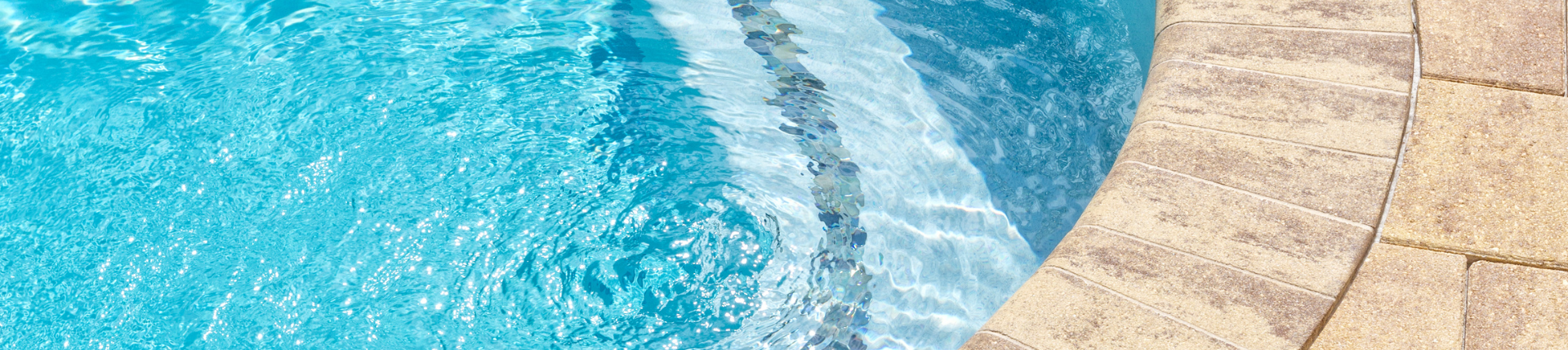
Where ceramic struggles is anywhere exposed to the elements or dramatic temperature changes. Unheated garages, covered patios, pool surrounds, and mudrooms with direct exterior door exposure all put ceramic at a disadvantage. In these spaces, the higher porosity means more moisture absorption, more expansion and contraction, and a shorter realistic lifespan in a climate like Utah's.
Porcelain vs Ceramic: Cost, Maintenance, and Lifespan in Utah
Upfront Cost Comparison
Ceramic tile is typically the more budget friendly option, often running 20 to 40 percent less than comparable porcelain per square foot, both in material cost and sometimes in installation labor since it can be easier to cut. For homeowners tiling a large area or working with a tighter renovation budget, that difference adds up quickly.
Porcelain carries a higher upfront cost, but that investment often pays off in reduced repairs and replacements down the line, especially in rooms exposed to Utah's temperature extremes.
Long-Term Maintenance in a Dry Climate
In a dry climate like Utah's, both materials are relatively low maintenance, but porcelain has an edge. Its lower porosity means it resists staining, is easier to clean, and needs less frequent sealing, particularly for unglazed or textured varieties. Ceramic, especially in wet or high traffic zones, may need more attention to grout lines and glaze wear over time.
For most homeowners, porcelain's durability translates into a longer lifespan with fewer repairs, which is worth factoring into any cost comparison beyond the initial price tag.
Which Tile Should You Choose for Your Utah Home?
Quick Decision Guide by Room and Application
- Entryways, mudrooms, and covered patios: Porcelain, for freeze-thaw and moisture resistance
- Pool surrounds and outdoor kitchens: Porcelain, for durability against sun and water exposure
- Kitchen backsplashes and accent walls: Ceramic works fine and offers more design flexibility per dollar
- High traffic bathroom or kitchen floors: Porcelain, for long-term wear resistance
- Guest bathrooms and low traffic interior floors: Ceramic is a solid, budget friendly option
- Radiant heated floors: Porcelain, for better dimensional stability under temperature cycling
If you are still unsure which material fits your specific space, a kitchen and bathroom backsplash installation project has different demands than an exterior entryway, and getting an in-person assessment makes the decision much easier.
Key Takeaways
- Porcelain tile has a water absorption rate under 0.5 percent, making it far more resistant to Utah's freeze-thaw cycles than ceramic
- Ceramic tile is a strong, budget friendly choice for interior walls and low traffic floors not exposed to moisture or freezing
- Porcelain's density gives it better dimensional stability under Utah's extreme heat and temperature swings
- Ceramic typically costs 20 to 40 percent less but may need more maintenance and replacement over time in demanding spaces
- The right choice usually comes down to the specific room, exposure level, and how the space is used
Final Thoughts
There is no single winner in the porcelain vs ceramic tile Utah climate debate. Porcelain is the more durable, moisture resistant option for entryways, outdoor spaces, and high traffic areas that deal with Utah's freeze-thaw cycles and dry heat, while ceramic remains a smart, cost effective choice for interior walls, backsplashes, and lower traffic floors. Matching the material to the room, rather than picking one tile for the whole house, is what actually protects your investment long term.
If you want a professional opinion on what will hold up best in your space, our team offers
tile installation services in Utah and can walk you through the right material for your specific rooms, sun exposure, and budget.
Get a free tile installation quote and we will help you avoid the guesswork.
Recent Posts