How to Choose Shower Tile Size for a Small Bathroom
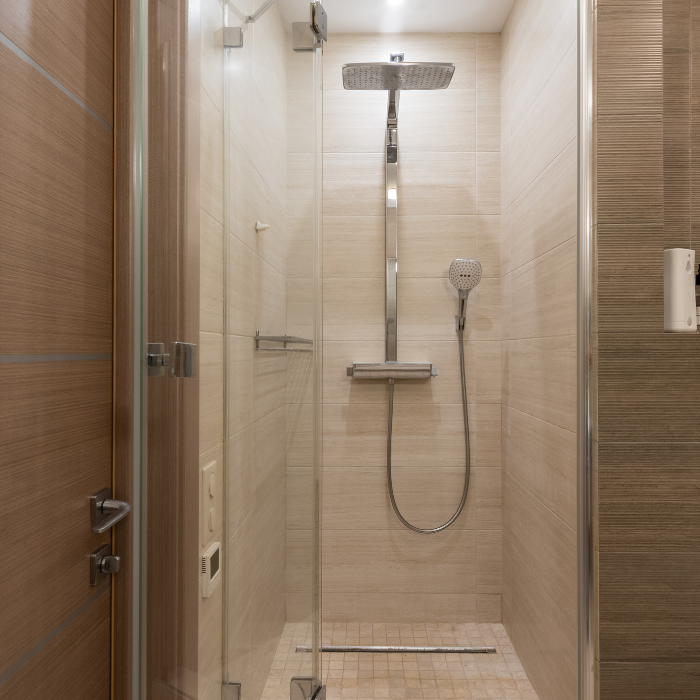
Choosing the right shower tile size for a small bathroom is one of the most impactful decisions you will make in a renovation, and one of the most misunderstood. Most homeowners assume smaller tiles are the "safe" choice for compact spaces. In reality, the opposite is often true. The size, orientation, and layout of your tile work together to either open up your shower or make it feel more cramped. Get it right, and a modest shower can feel like a spa retreat.
Key Takeaways
- Fewer grout lines generally make a small shower feel more open and spacious
- Large format tiles (12×24 and up) often work better on shower walls than small tiles do
- Tile orientation matters as much as size — horizontal lines elongate, vertical lines add height
- Grout color is a design decision, not an afterthought
- Floor and wall tile sizing should relate to each other, not be chosen independently
Why Tile Size Has a Bigger Impact Than Most People Realize
In a small shower, every visual element is amplified. Tile size directly affects how busy or calm a space feels, how much maintenance it demands, and how the eye moves across the walls and floor.
The biggest factor most people overlook is grout lines. Each grout line acts as a visual divider. Multiply that across dozens of small tiles and the result is a grid of lines that fragments the surface and makes the space feel smaller and more chaotic. Larger tiles reduce the number of grout lines, creating a cleaner, more continuous surface that reads as more expansive.
Tile orientation adds another layer. A rectangular tile laid horizontally draws the eye sideways, making the shower feel wider. The same tile turned vertically pulls attention upward, adding perceived height. This means the way you lay your tile matters just as much as the tile you choose.
Standard Shower Tile Sizes and What Each One Does
Small Tiles: 1×1 to 4×4 inches
Mosaic tiles, penny rounds, and small square tiles bring texture and detail to a shower. They work beautifully on shower floors, where their smaller format accommodates the slope toward the drain and adds natural slip resistance.
On walls, however, small tiles in a compact shower tend to create visual noise. The density of grout lines can make the space feel busier than it actually is. Use them intentionally as an accent strip or a feature niche rather than covering all four walls.
Mid-Size Tiles: 4×12 to 12×12 inches
This is the most versatile range for small showers. Classic subway tile (3×6 or 4×12) has remained popular for decades precisely because it balances detail with breathing room. A 12×12 square tile offers a neutral, balanced look that neither dominates nor disappears.
The key is how you lay them. A 4×12 tile stacked horizontally in a running bond pattern can make a narrow shower feel noticeably wider.
Large Format Tiles: 12×24 and Up
Counterintuitive but effective. Large format tiles dramatically reduce grout line frequency, giving shower walls a seamless, high-end quality that makes compact spaces feel open and intentional.
The trade-off is installation complexity. Large tiles demand a perfectly flat substrate to avoid lippage, which refers to the uneven edges between tiles. For a small shower, this is absolutely worth getting right. If you are planning a full bathroom remodel, professional bathroom remodeling services ensure large format tiles are installed on a properly prepared surface from the start.
The Best Tile Size for a Small Shower, by Scenario
Best Tile Size for Shower Floors
For shower floors, smaller is genuinely better. Tiles in the 2×2 to 4×4 range accommodate the gentle slope toward the drain without requiring complicated cuts. Mosaic sheets and penny tile are practical choices here, offering grip underfoot and a natural fit around the drain. Slip resistance should always factor into floor tile selection. Look for a dynamic coefficient of friction (DCOF) rating of 0.42 or higher for wet areas.
Best Tile Size for Shower Walls
On walls, larger tiles are almost always the stronger choice in a small shower. A 12×24 tile laid horizontally is one of the most effective ways to create a spa-like, uncluttered feel in a compact enclosure. It reduces visual fragmentation and makes the walls read as one continuous surface rather than a mosaic of pieces.
If you love the look of smaller wall tiles, consider using them on a single feature wall only, keeping the remaining walls in a larger, calmer format.
Best Tile Size for Low Ceilings
Vertical tile orientation is your best tool here. A 4×12 or 4×16 tile stood on end and stacked in a straight vertical pattern draws the eye upward, creating the impression of a taller space. Avoid strong horizontal banding or border tiles at mid-wall height, as these visually cut the room and compress it further.
Best Tile Size for Narrow Showers
In a narrow enclosure, width is what you are chasing. Horizontal rectangular tiles, diagonal layouts, and light grout that blends with the tile surface all work to push the walls apart optically. A 12×24 tile laid in landscape orientation is a particularly strong choice for narrow walk-in showers.
How Tile Layout and Pattern Shape the Space
Horizontal Running Bond
The classic subway layout. Offset horizontal tiles create a relaxed, familiar look and subtly widen the shower. This is the most reliable choice for most small showers and the layout most professional tile installers recommend as a starting point.
Vertical Stack
The same rectangular tile, rotated 90 degrees and stacked in a straight vertical pattern, adds significant perceived height. Particularly effective in showers with ceilings at or below eight feet.
Diagonal Layout
A 45-degree tile layout visually expands a narrow shower by breaking the eye's natural horizontal or vertical tracking. It does increase material waste by roughly 10 to 15 percent, so factor that into your budget when ordering tile.
Minimal Grout and Large Slab
One or two large tiles covering an entire wall with near-invisible grout joints is the most dramatic way to open up a small shower. It requires precise installation and a flawlessly prepared substrate, but the result is exceptional.
The Grout Color Decision
Matching your grout closely to the tile color minimizes the grid effect and creates a more seamless, expansive surface. This is the single most effective technique for making a small shower feel larger without changing a single tile.
Contrasting grout, while striking, emphasizes each tile individually and amplifies the grid. In a small shower covered in subway tile, high-contrast grout can work against the space. Reserve contrast for showers where it is a deliberate design statement rather than a default choice.
A simple framework to follow:
- Light tile plus light grout = open, airy, expansive
- Light tile plus dark grout = defined grid, busier feel
- Dark tile plus matching grout = dramatic but cohesive
Common Tile Sizing Mistakes to Avoid
Covering every surface in small mosaic tile. The grout density becomes overwhelming and multiplies your cleaning effort significantly.
Ignoring the floor-to-wall size relationship. A 2×2 mosaic floor paired with a 24×48 wall tile creates a jarring scale mismatch. The two surfaces should feel visually related, even if they are not identical.
Skipping a layout plan before purchasing. Buying tile without mapping the layout leads to awkward cuts at eye level and wasted material.
Treating grout color as a last-minute detail. Choose your grout color alongside your tile, not after installation begins.
Using large format tiles without verifying substrate flatness. Lippage is far more visible on large tiles and almost always comes down to inadequate surface preparation.
Before You Buy: A Practical Checklist
- Measure your shower walls and floor separately, including ceiling height
- Order physical samples and hold them in the actual space in both natural and artificial light
- Sketch or digitally plan your tile layout before ordering
- Add 10 to 15 percent to your total tile quantity for cuts and breakage
- Select your grout color at the same time as your tile
- For large format or complex patterned installations, work with an experienced tile installer who can assess your substrate, plan your layout, and execute the install without costly mistakes
Conclusion
Tile size in a small shower is not simply a matter of preference. It is a spatial strategy. The right combination of tile dimensions, layout orientation, and grout color can make a compact shower feel genuinely generous. Choosing shower tile size for a small bathroom with intention, rather than habit, is what separates a renovation that truly impresses from one that just gets finished.
If you are ready to stop guessing and get it right the first time,
get a
free quote on your shower tile installation and let our team design a space that makes the most of every inch.
Recent Posts