How to Choose the Right Tile for a Swimming Pool: A Complete Guide
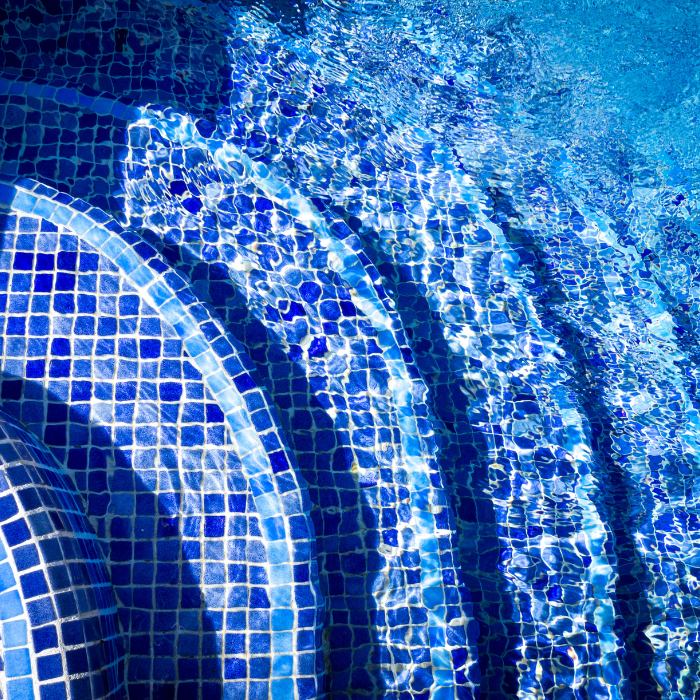
Choosing the right tile for a swimming pool is one of the most important decisions you'll make in any pool build or renovation, and it's one that homeowners consistently underestimate. The wrong material doesn't just look bad after a few seasons; it cracks, lifts, fades, or becomes a slip hazard. Get it right, and your pool tile can last 20 to 30 years with minimal upkeep. This guide walks you through every major tile type, how your local climate plays a role, and what to look for before hiring a contractor.
Key Takeaways
- Porcelain is the most durable, climate-versatile pool tile for most homeowners
- Glass tile is the premium choice for waterline and spa applications
- Natural stone belongs on pool surrounds and coping, not submerged surfaces
- In freeze-thaw climates like southern Utah, only use tile with a water absorption rate below 0.5%
- Tile placement (floor, waterline, steps) determines the right finish and slip rating
- The best pool tile job starts with the right material selection, not just the right installer
Why Pool Tile Selection Matters More Than You Think
Most homeowners focus on aesthetics when picking tile. Those decisions matter, but they come second. What matters first is whether the tile is engineered to survive the environment it's going into.
Pool tile lives a hard life. It sits in chlorinated water, faces UV exposure, and in many parts of the country, endures seasonal temperature swings that expand and contract the surface repeatedly. A tile with a high water absorption rate will take on moisture, and when that moisture freezes, the tile cracks from the inside out. Pool tile that fails almost always does so for one of two reasons: the wrong material was chosen, or installation shortcuts were taken.
The Four Main Types of Pool Tile
Ceramic pool tile
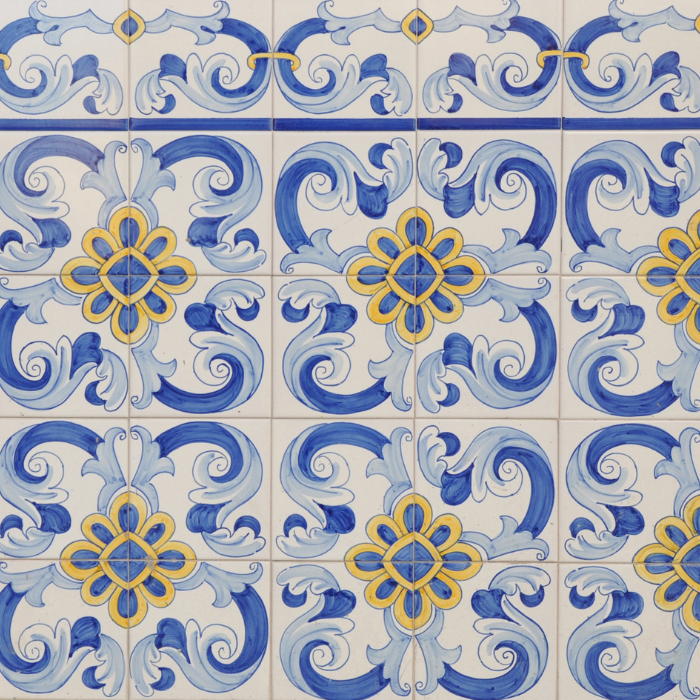
Ceramic is the most affordable option and works well for waterline accent strips in mild climates. Its higher water absorption rate makes it a poor choice for fully submerged surfaces in areas with cold winters. If your pool is in a freeze-thaw region, ceramic is a risk worth avoiding below the waterline.
Porcelain pool tile
Porcelain is the workhorse of the pool tile world. It's denser than ceramic, has very low water absorption (typically below 0.5%), and holds up well against UV exposure and temperature fluctuation. It comes in a wide range of colors, textures, and formats. For most pool projects, porcelain is the right starting point.
Glass pool tile
Glass is the premium option. It's fully non-porous, resistant to chlorine and salt water, and its reflective surface makes water color richer and more vivid. It's especially popular for waterline tile and spa walls. The trade-off is cost and installation complexity. Glass tile requires an experienced installer, since improper installation causes hollow spots and eventual delamination.
Natural stone pool tile
Travertine, slate, and limestone create beautiful, organic aesthetics, but natural stone is porous by nature. Without consistent sealing, it absorbs water and chemicals. Natural stone is best reserved for pool surrounds, coping, and decking rather than submerged surfaces.
"The right tile for a pool is never just about color. It's about density, absorption rate, and where exactly the tile is going."
Where the Tile Goes Changes Everything
Different zones of your pool have different performance requirements. Treating them all the same is one of the most common mistakes in pool tile planning. For example:
Waterline tile sits at the interface between water and air, exposed to chemical fluctuation, calcium scale, and UV light simultaneously. Glass and porcelain both perform well here, and waterline tile also serves a functional role by resisting algae growth.
Pool floor tile must prioritize safety. The wet coefficient of friction should be at least 0.60. Matte and textured porcelain meet this standard; highly polished finishes generally don't.
Steps and benches are the highest-risk zones for slips. Many designers use a contrasting tile on steps as both a safety marker and a design detail.
Spa surfaces experience more dramatic temperature swings. The tile needs to be fully vitreous or impervious. Glass performs especially well here because it handles thermal expansion without cracking.
How Climate Affects Your Pool Tile Choice
In southern Utah, pool tile faces a specific combination of challenges: intense summer sun, meaningful winter cold, and temperature swings that stress any surface. For homeowners in the St. George and Washington County area, this is not a theoretical concern.
Any tile going in or near the water in a freeze-thaw climate should have a water absorption rate below 0.5%. That rating means the tile won't absorb enough moisture to crack when temperatures drop. UV intensity in southern Utah is also higher than most of the country, and lower-quality glazed ceramic can begin fading within three to five seasons.
When evaluating a tile, ask to see the manufacturer's spec sheet. The absorption rate, frost resistance rating, and coefficient of friction should all be listed. TILEDGE selects climate-appropriate materials for every pool project in southern Utah. See our pool tile service for more on our approach.
Aesthetic Decisions: Color, Finish, and Pattern
Once the functional requirements are met, the design decisions become genuinely enjoyable.
Dark tile creates a lagoon effect, making the water appear rich and dramatic. Light tile produces a tropical turquoise look and makes the pool appear shallower. Browse our gallery to see how different color choices read in finished Utah pools.
Glossy tile reflects light beautifully on walls and waterline surfaces. Matte tile hides water marks better and is safer underfoot. Many pools use both: glossy on vertical surfaces, matte on floors and steps.
Small mosaic tiles conform naturally to curved pool surfaces. Large-format tiles look modern and minimize grout lines on flat surfaces, but they demand a skilled installer to maintain consistent alignment.
What to Ask Your Pool Tile Contractor
Before signing a contract, these questions will reveal a lot about who you're hiring:
- Are the tiles rated for submerged use and freeze-thaw conditions?
- What waterproofing membrane do you install, and from which manufacturer?
- What adhesive and grout products do you use, and why are they appropriate for pools?
- How do you handle expansion joints?
- Can you show me completed pool tile projects in similar climates?
A contractor who answers these clearly knows what they're doing.
Common Pool Tile Mistakes to Avoid
- Using indoor or general-purpose tile in a pool environment
- Skipping the waterproof membrane to reduce upfront cost
- Choosing polished tile for the pool floor or steps
- Using standard thinset instead of polymer-modified adhesive
- Ignoring expansion joints, which are the leading cause of cracked tile in variable-temperature climates
- Hiring based on price alone without verifying material specifications
Frequently Asked Questions
What is the best tile for a swimming pool? Porcelain is the best all-around pool tile for most climates. It's dense, frost-resistant, and available in hundreds of finishes. Glass is the premium choice for waterline and spa surfaces.
Can you use regular tile in a pool? No. Standard indoor tile lacks the water absorption rating, frost resistance, and chemical resistance required for pool environments.
What is waterline tile on a pool? Waterline tile is the strip running along the pool's water surface. It resists calcium scale, algae buildup, and chemical exposure, and it's one of the most visible design elements in a finished pool.
How long does pool tile last? Quality pool tile installed correctly lasts 20 to 30 years. Early failure is almost always the result of installation errors rather than the tile's natural lifespan.
How do I know if my pool tile needs replacing? Cracking, tiles that sound hollow when tapped, persistent staining, and significant grout erosion are the four main indicators that replacement is worth considering.
Conclusion
Knowing how to choose the right tile for a swimming pool means thinking about material performance first and aesthetics second. Not because design doesn't matter, but because beautiful tile that fails in two seasons serves no one. The right material, proper surface preparation, and skilled installation are what produce a pool that looks as good in year fifteen as it did on day one.
If you're planning a pool tile project in the St. George or Washington County area, TILEDGE would be glad to walk you through the options. Get your free estimate today or call (435) 282-0543.
Recent Posts